PLATECT™
Interview | Light, strong and long-lasting. PLATECT™ is a setter that will change the firing field.
PLATECT™
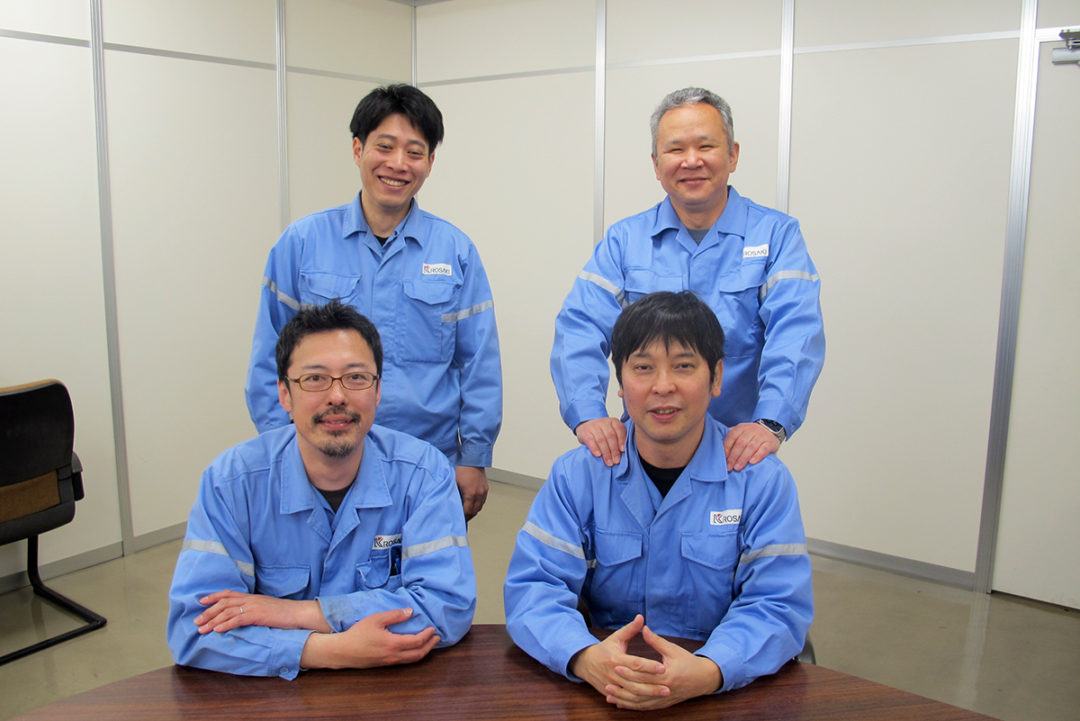
Team Member
- Nakamura, Group Manager of the Quality Control and Technical Group, Electronics Firing Ceramics Department, Ceramics Division
- Sueyasu, Assistant Manager of the Quality Control and Technical Group, Electronics Firing Ceramics Department, Ceramics Division
- Okamoto, Foreman of the Production Technology Group, Electronics Firing Ceramics Department, Ceramics Division
- Dosaka, Manager of the Ceramics Sales Department, Ceramics Division
Development started in the 1980s to overcome the shortcomings of zirconia setters.
What was the background behind the development of PLATECT™?
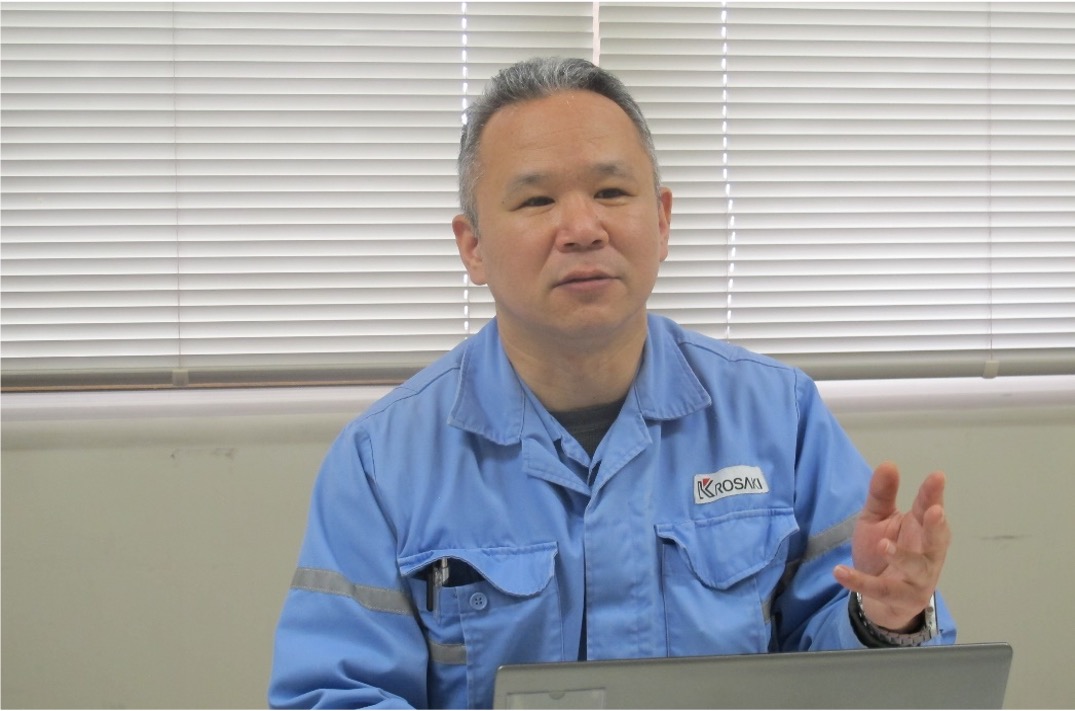
Nakamura:
My name is Nakamura, and I am Group Manager of the Quality Control and Technical Group, Electronics Firing Ceramics Department. I am supervising the development of PLATECT™. Ceramic capacitors are indispensable to electronic devices. Zirconia has long been used in setters, or kiln furniture on which electronic components are placed, in the process of firing ceramic capacitors.
Zirconia has the advantage of not readily reacting with ceramic capacitors to allow consistent firing, but it also has the disadvantages of being “heavy,” “breaking easily,” and being “susceptible to deformation.”
To overcome these shortcomings of zirconia setters, we have been developing PLATECT™ since the 1980s.
A combination of a substrate and a thermally sprayed coating can efficiently transfer heat to the item being fired
What are the features of PLATECT™?
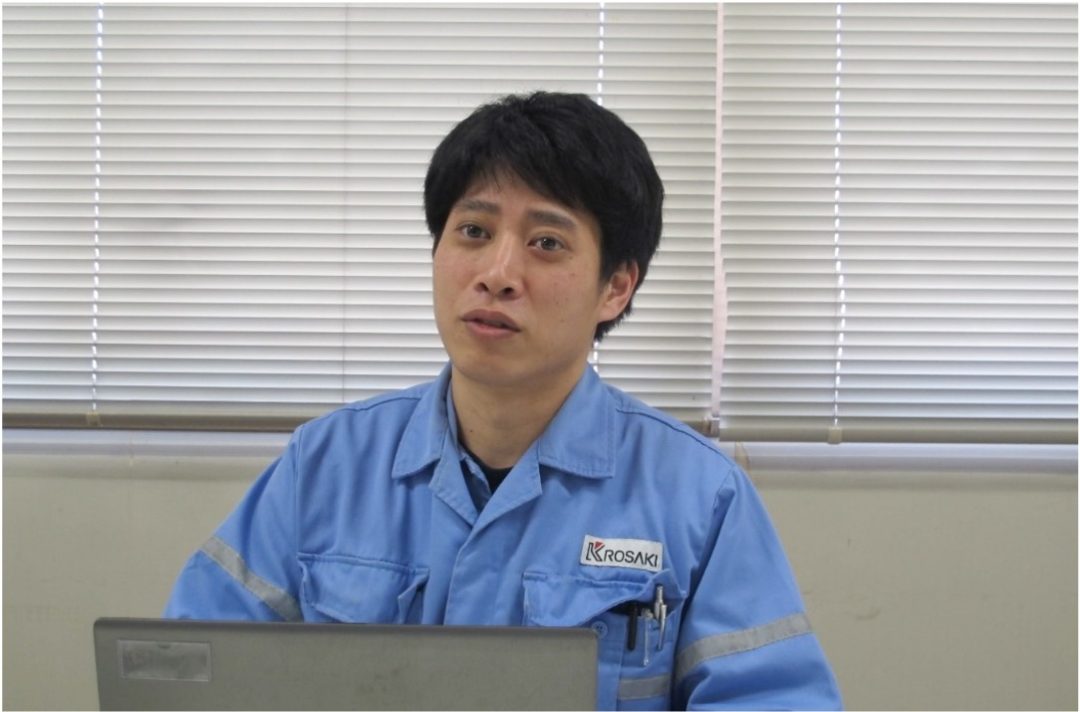
Sueyasu:
My name is Sueyasu, and I am Assistant Manager of the Quality Control and Technical Group, Electronics Firing Ceramics Department. Within the group, I am in charge of technical services.
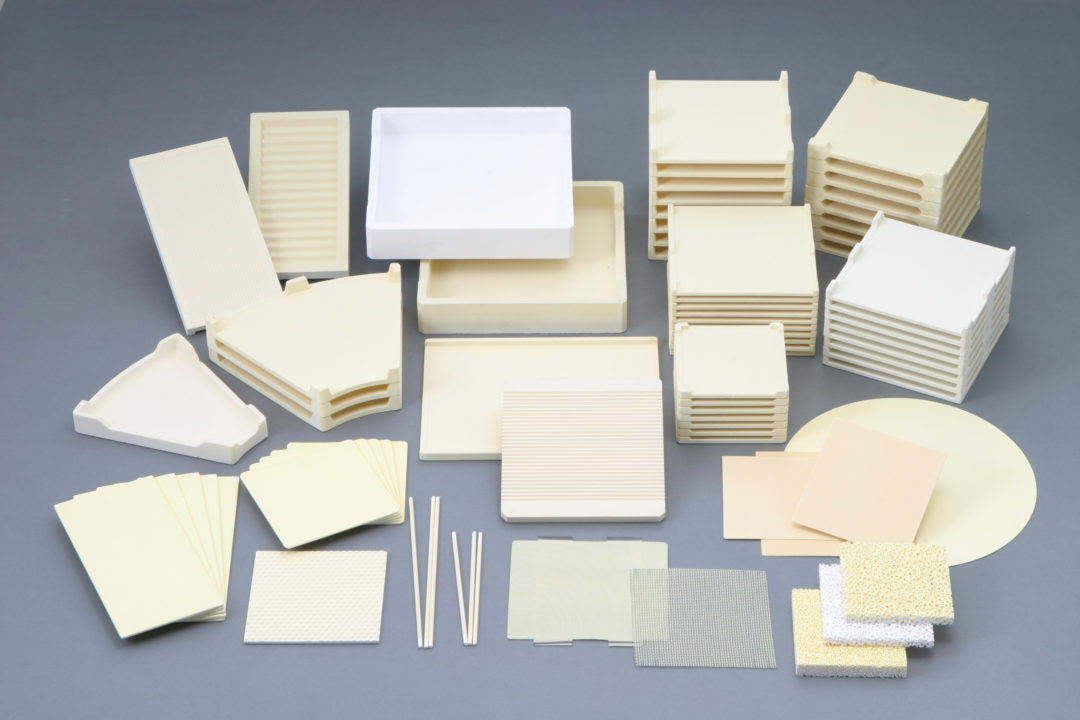
PLATECT™ is a setter. The basic structure of the setter consists mostly of alumina-silica, and only the surface portion that actually makes contact with the item to be fired is coated with zirconia by plasma spraying. This product was developed to solve problems with conventional zirconia setters.
Alumina-silica materials have higher thermal conductivity than zirconia and can more efficiently transfer heat from the floor of the kiln to the item being fired.
Nakamura:
Application of a coating by plasma spraying is another key feature of PLATECT™. Typical thermal spraying is a way to disperse ceramic powder in a liquid like water and apply it to an item, but plasma spraying forms a tough coating that is denser and that penetrates the substrate. This improves durability and limits reactions with the item to be fired during firing.
Dosaka:
My name is Dosaka, and I am in charge of sales. Alumina-silica, a constituent of PLATECT™ , is a lightweight material, so the weight of the setter itself is lighter. This reduces the load on the floor of the kiln and allows more setters to be loaded. In other words, the effective volume of the kiln can be used more efficiently, which is also a major advantage for the customer.
Providing various advantages such as increased utilization & productivity and improved energy efficiency, garnering us a share of the global market of about 40%
What are the advantages of using PLATECT™?
Nakamura:
PLATECT™ reduces the frequency of setter replacement and it increases the operating efficiency of the kiln by extending the life of setters. In addition, the light weight of the setters increases the number of setters that can be loaded, which in turn increases productivity.
In addition, the use of materials with excellent thermal conductivity improves the energy efficiency of the entire firing process, resulting not only in reduced costs but also in environmental benefits such as reduced CO₂ emissions.
In addition, a reduction in the number of setters to dispose of also helps to reduce disposal costs.
What is the primary use of PLATECT™?
Dosaka:
The most common use is in the process of firing multilayer ceramic capacitors, or MLCCs. Many domestic and foreign MLCC manufacturers are using PLATECT™ , and we estimate that PLATECT™ accounts for about 40% of the global market share in this area.
Sueyasu:
In addition to MLCCs, we have also received many inquiries about its use in firing various electronic components such as varistors and thermistors. Instances of its use are steadily increasing, and we believe that the areas in which it is used will expand further in the future.
Finding the best setter through trial and error with the customer
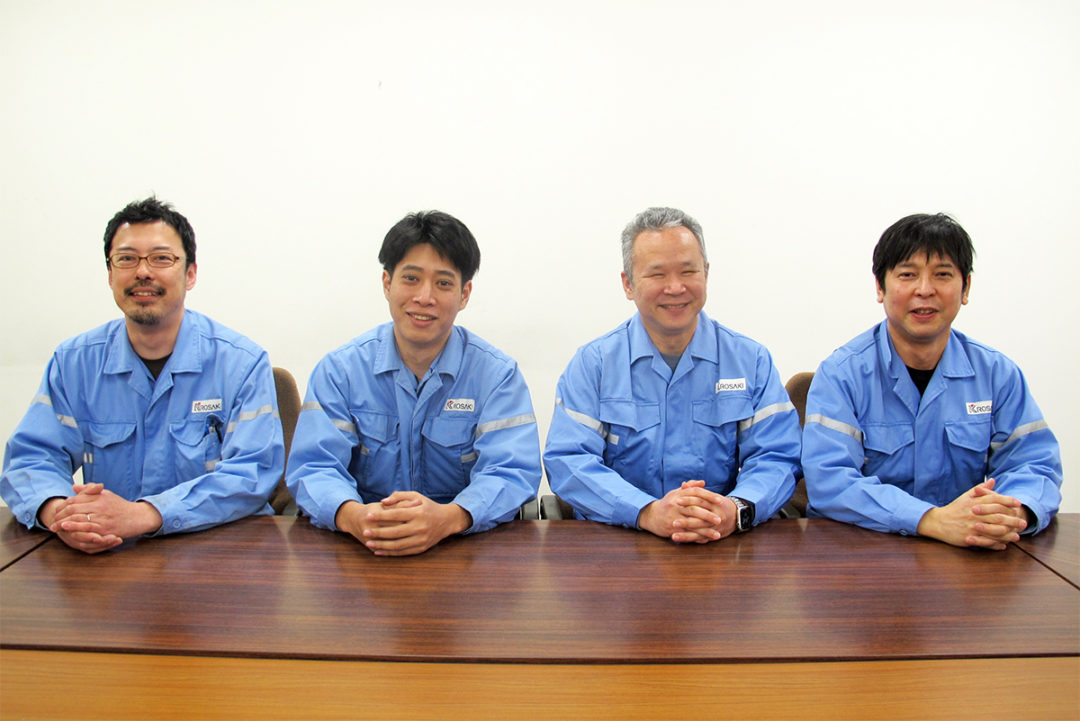
What are the steps prior to use of PLATECT™?
Nakamura:
The process differs slightly for new and existing customers, but in any event, the first step is to provide us with information about current firing conditions and the setters that are currently in use.
In addition, we also listen attentively to customers’ current problems and desired specifications, such as “We want lighter setters” or “We want to increase the number of setters that can be loaded.” Based on the information provided, we will fabricate a prototype to their specifications and have them evaluate it.
If the prototype is satisfactory, we will shift to mass production. If the prototype fails to meet expectations, we will continue to revise the specifications while discussing them with the customer and repeat the prototyping and evaluation process again.
What sort of development requests do you get specifically?
Sueyasu:
We receive a wide variety of requests from customers, such as, “We want to improve the firing efficiency of our current setters” or “We need a setter that meets new firing conditions to accommodate new products.”
First, we will attentively listen to what sort of specifications the customer wants. Examples of our services include adjusting the thickness of the thermally sprayed coating and changing the height and shape of the substrate supports.
If the customer has yet to decide on the optimal specifications, we may fabricate prototypes based on multiple specifications and have the customer evaluate each prototype. The development period varies depending on what the request entails. It can be as short as 6 months or joint development can continue for several years.
Nakamura:
We develop our setters through trial and error with our customers to find the optimum setter for their needs. PLATECT™ is basically a custom-made suggestion. We believe that the biggest reason why our customers favor PLATECT™ is because we are able to meet the requirements of each and every customer and suggest the most suitable specifications and shapes.
Drawing on our vast manufacturing know-how amassed over the years in processes from prototyping to quality mass production
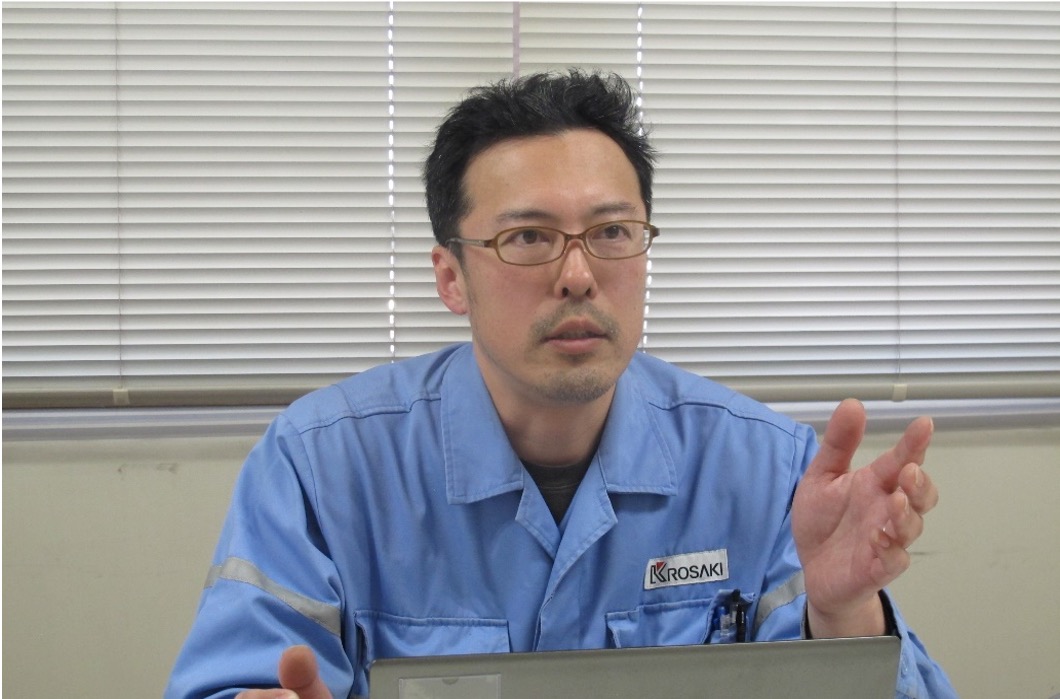
What are the options for requesting a prototype?
Okamoto:
My name is Okamoto, and I am from the Production Technology Group, Electronics Firing Ceramics Department. In the group, I am in charge of manufacturing. We have a system that allows customers to select from a lineup of PLATECT™ substrates and coatings in order to adeptly meet their requirements as much as possible.
In addition, customers can consult with us regarding the shape of the substrate and specify the thickness of the coating or whether or not to apply a coating. Therefore, we can suggest optimal specifications in accordance with the firing conditions and intended use.
We have a system that combines various aspects, allowing us to provide them with a setter optimized to their firing conditions.
When you begin mass production, will the quality differ from that of the prototype?
Okamoto:
Basically, we use equipment for mass production starting in the prototype stage. Therefore, there is no difference in quality between prototypes and mass-produced products.
We will ensure the delivery of mass-produced products using the same materials and the same process as the prototypes that were evaluated by our customers, so customers can choose our products with peace of mind.
What were some of the challenges you faced in mass production?
Okamoto:
When, for example, we develop a setter with a complex shape, we anticipate a high degree of manufacturing difficulty starting in the design stage, and problems may arise during the process of prototyping and mass production. However, we have vast manufacturing know-how that we have amassed over the years. We believe that we should take on such difficult requests as a setter manufacturer, and that is also something we pride ourselves on.
In fact, there have been many instances where productivity has been greatly improved through repeated improvements in manufacturing technology, even for products involving a high degree of difficulty, and customers have subsequently ordered a number of those products from us on a continuing basis.
Of course, there are instances where producing a product is deemed difficult in the prototyping stage, but even in those instances we consider resolving each problem one by one while closely communicating with the customer to be crucial.
There are countless industries where PLATECT™ can contribute to the process of “firing an item”
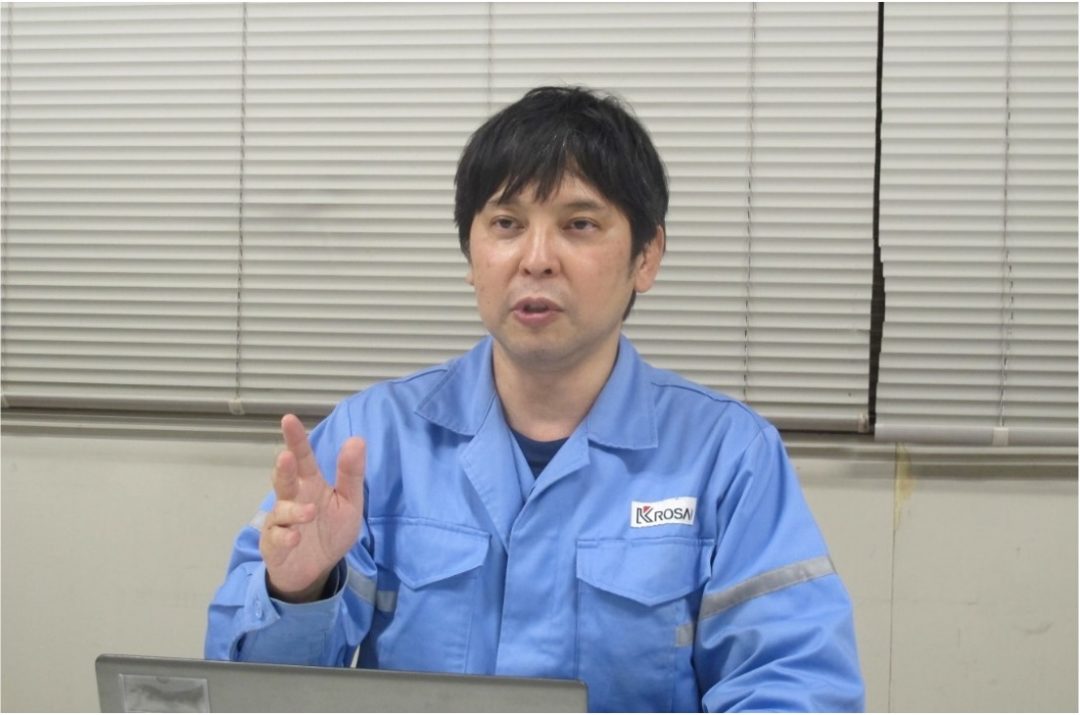
What do your customers have to say about PLATECT™?
Dosaka:
One of our customers, a manufacturer of electronic components, reported that switching from a conventional zirconia setter to PLATECT™ “significantly extended the life of the setter.
Sueyasu:
Another customer said, “We tried a different coating on a prototype of a product that did not fire well with a conventional coating, and the results were in line with the designed values.” This flexibility is one of the reasons why PLATECT™ is so highly regarded.
How do you plan to expand the market for PLATECT™ in the future?
Dosaka:
Thanks to our customers, PLATECT™ is gradually gaining recognition and earning trust as a brand in the MLCC industry.
That said, PLATECT™ is not yet well known in the electronic components industry outside of MLCCs. In the future, we intend to actively suggest PLATECT™ in other areas besides MLCCs in order to broaden the scope of its use. As long as the process of “firing an item” exists, there are countless industries to which PLATECT™ can contribute. We would like to expand our business not just in the field of electronic components but also in other fields.
What is your message to customers?
Nakamura:
Originally a factory that manufactured refractory bricks, we have amassed a great deal of know-how over the years, mainly in molding technology. By adding plasma spraying technology to this, we have established an integrated system that can handle everything from substrate design to manufacturing and surface treatment.
We are proud that our customers have chosen us because of our integrated production system, the technological capability and quality that we have developed over the years, and our ability to offer suggestions that are tailored to our customers’ needs.
We want to continue to be a trusted company, with potential customers saying, “Let’s start by consulting Krosaki Harima.”