PLATECT™|Setters for electronic components that are lightweight and have high thermal conductivity

K-GenesisX™

PLATECT™

Background

PLATECT™ Shape

Features of PLATECT™

In manufacturing electronic components such as capacitors, firing is carried out in firing furnaces exceeding 1,000 degrees Celsius. PLATECT™ was developed as a container (hereinafter referred to as a setter) for holding electronic components during this process.

Compared to conventional zirconia setters, PLATECT™ is lighter and has higher thermal conductivity, and its coating lasts longer than that of cold spray coatings.
For the firing of multilayer ceramic capacitors (MLCC) in particular, we boast a high global market share of approximately 40%.
These products are also used to fire electronic components other than MLCCs, such as varistors and thermistors, and there are even cases of adoption in heat treatment of metal parts.

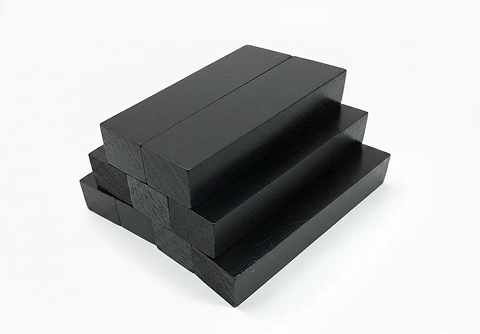
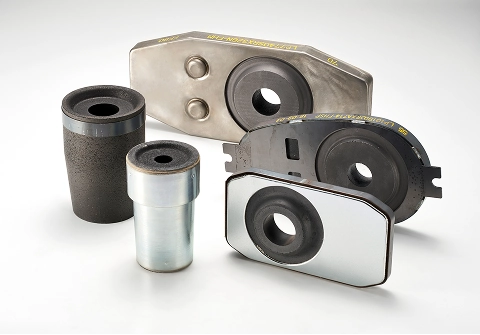
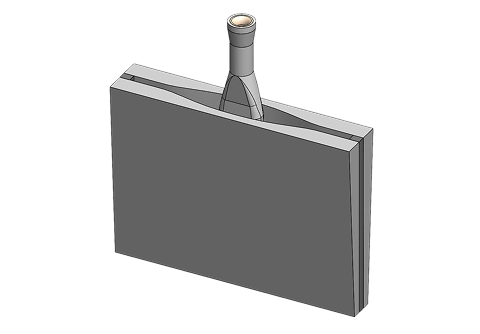
Appearance of PLATECT™

Appearance of PLATECT™

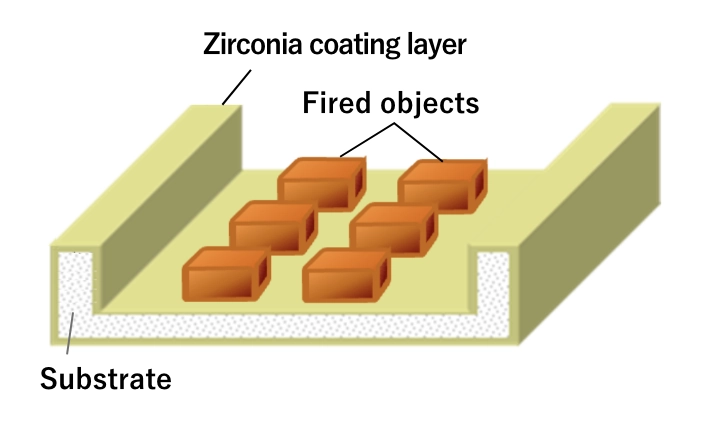
Schematic diagram of PLATECT™ structure and conceptual illustration of use

Schematic diagram of PLATECT™ structure and conceptual illustration of use

Presentation Materials and inquiries for PLATECT™

Background

Advantages of PLATECT™

1 Improved energy efficiency in the firing process with reduced CO₂ emissions

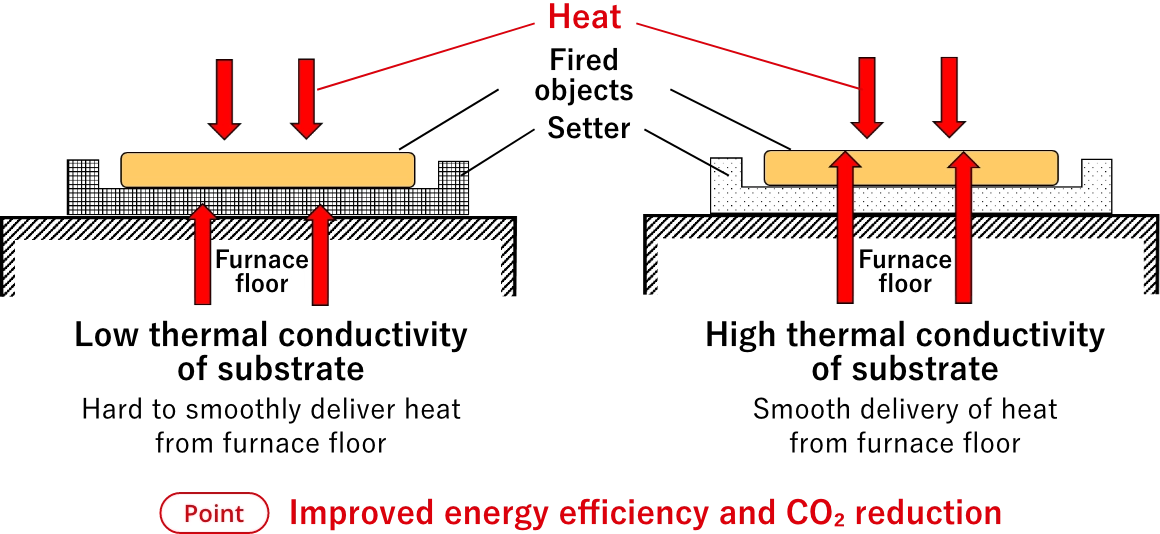
PLATECT™ setters have improved thermal conductivity compared to conventional zirconia setters. As a result, heat transmitted from the furnace floor is smoothly transferred to the objects being fired, improving energy efficiency in the firing process. CO₂ emissions are reduced as a result of energy savings.

Conceptual illustration of heat conduction during firing

Improved energy efficiency and CO₂ reduction

Additionally, by reducing the use of zirconia (previously used for the entire setter) to only the coating part in PLATECT™, the consumption of rare earth stabilizing materials (yttrium oxide) that are heavily used in zirconia materials can be reduced, leading to cost reduction.

2 Productivity improvement and cost reduction due to decreased setter replacement work and increased loading count

By using the plasma spraying for the coating method, PLATECT™ forms a dense and durable coating that firmly adheres to the substrate compared to conventional coatings applied by the conventional cold spray method.

Photo of coating cross-section

Spray coating
Spray coating
Coating contains many voids,
and adhesion with substrate is poor
Plasma spray coating
Coating is dense and tightly adhered to substrate

As a result, the service life of the coating (setter) is extended, reducing the need for setter replacement work. Decreasing idle time during replacement work contributes to improved productivity and cost reduction in the firing process for customers.

Additionally, the weight reduction of each setter makes it lighter, thereby reducing the physical burden on workers performing the replacement work.
Furthermore, the reduced load on the furnace floor allows for the consideration of loading more setters.

Example of setters stacked in a firing furnace

Setter unit weight is lighter, so load on furnace floor is reduced. More setters can be stacked.

Presentation Materials and inquiries for PLATECT™

K-GenesisX™

Strategic Products