TOUGHMAX™|Magnesia-carbon brick product used in converters of steel manufacturers’ steelmaking processes

K-GenesisX™

TOUGHMAX™

Background

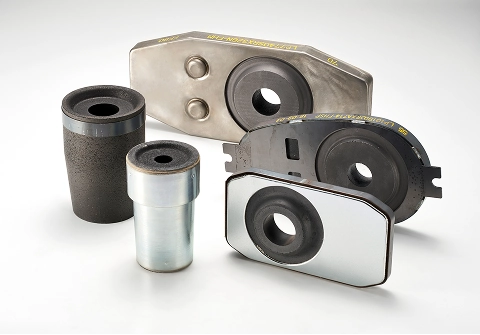
TOUGHMAX™ Shape

Features of TOUGHMAX™

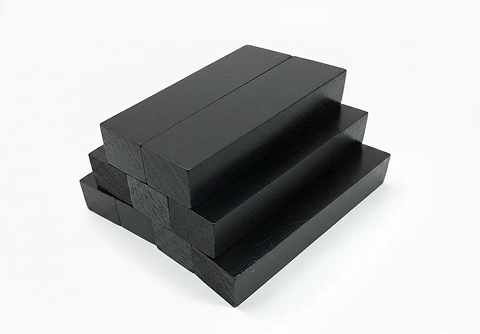
TOUGHMAX™ is a magnesia-carbon brick product used in converters of steel manufacturers’ steelmaking processes.

Ironmaking Process

In the equipment where TOUGHMAX™ is used, the impact of steel scrap can cause cracks in the bricks, eventually leading to breakage.
However, compared to conventional magnesia-carbon bricks, TOUGHMAX™ has enhanced durability against both thermal shock and physical impact from collisions, with characteristics that make internal cracks less likely to grow and the bricks less likely to break.

Presentation Materials and inquiries for TOUGHMAX™

Background

Advantages of TOUGHMAX™

1 Reduced frequency of refractory replacements improves productivity

When bricks in the converter are damaged and need to be replaced, production stops. By using TOUGHMAX™ to reduce damage and decrease replacement frequency, idle time due to production stoppages can be reduced, leading to improved productivity.
Improved productivity per ton of steel results in reduced energy consumption and CO₂ emissions per ton.

2 Cost benefits from reduced refractory usage

By using TOUGHMAX™ in areas where bricks are damaged by the impact of iron scrap.
As a result, the service life of the equipment is extended, and customers can reduce their refractory usage.

3 Reduction of CO₂ emissions in blast furnaces

Pig iron (molten iron) produced in blast furnaces contains about 4% carbon. The converter process in steelmaking involves refining pig iron and steel scrap remove carbon.
Using TOUGHMAX™ prevents brick damage caused by the impact of steel scrap during this process, making it possible to use larger amounts of steel scrap.
CO₂ emissions from blast furnaces can be reduced by increasing the amount of steel scrap and reducing the use of pig iron.

Reducing the amount of pig iron leads to a reduction in total CO₂ emissions for the same amount of steel production

Presentation Materials and inquiries for TOUGHMAX™

CO₂ Emission Reduction Data for TOUGHMAX™

By using TOUGHMAX™, the pig iron ratio can be reduced by approximately 5%. As a result, it is estimated that CO₂ emissions from blast furnaces can be reduced by approximately 5% a year.
(Approximately 150,000 tons of CO₂ reduction effect when producing 2,728 kilo-tons of steel per year)

Pig Iron Ratio

If the wear rate conditions are the same, the pig iron ratio can be reduced by 5%

In the case of steel manufacturing with a production volume of 2,728 kilo-tons/year

CO₂ reduction 5% reduction(Approx. 150,000 tons)
*CO₂ emissions from blast furnace: 1.1 tons per ton of steel

K-GenesisX™

Strategic Products